Natural Materials Library

Discover sustainable materials that bring warmth, texture, and harmony to your living space while supporting environmental responsibility.

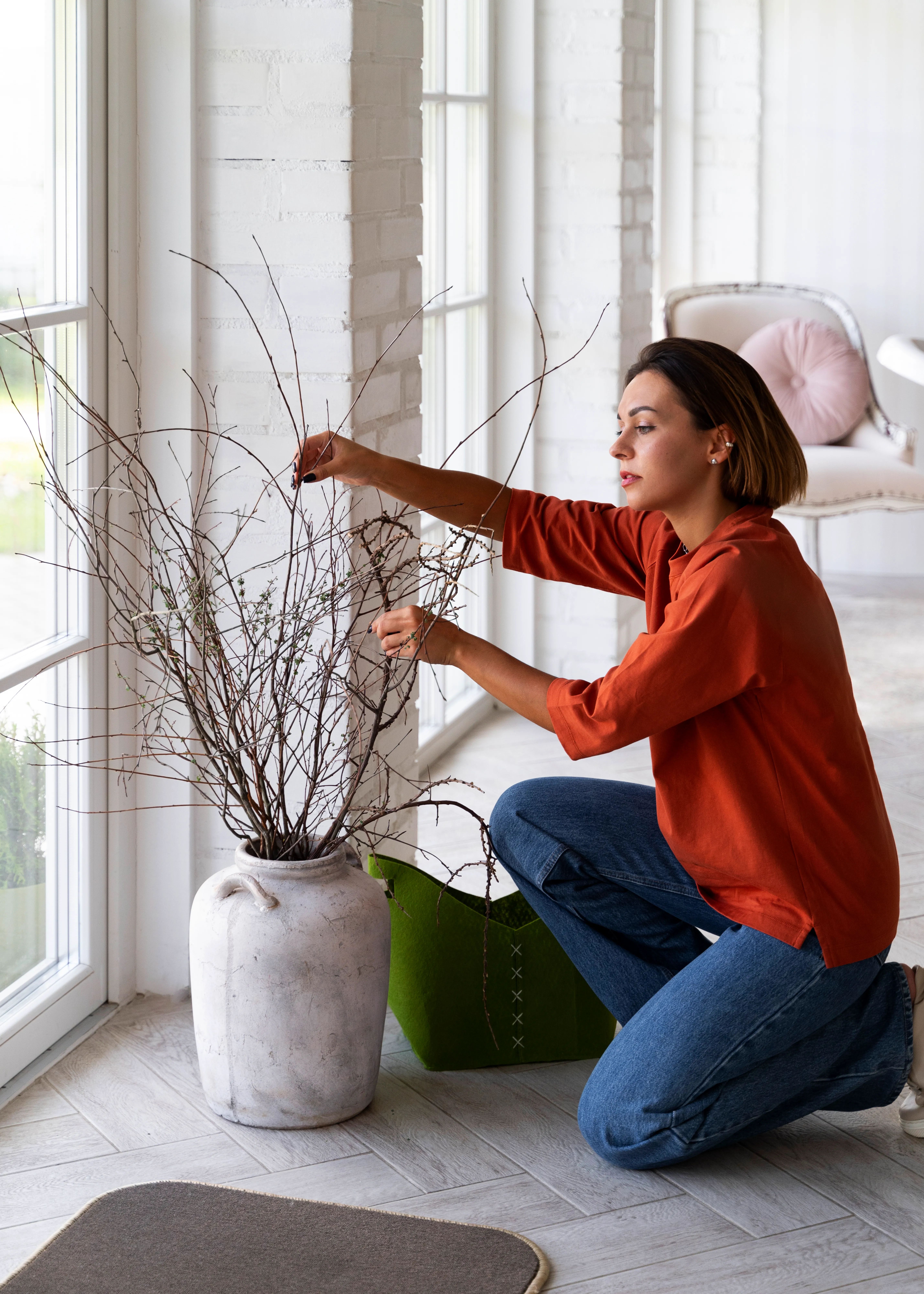
Natural materials used in home decoration
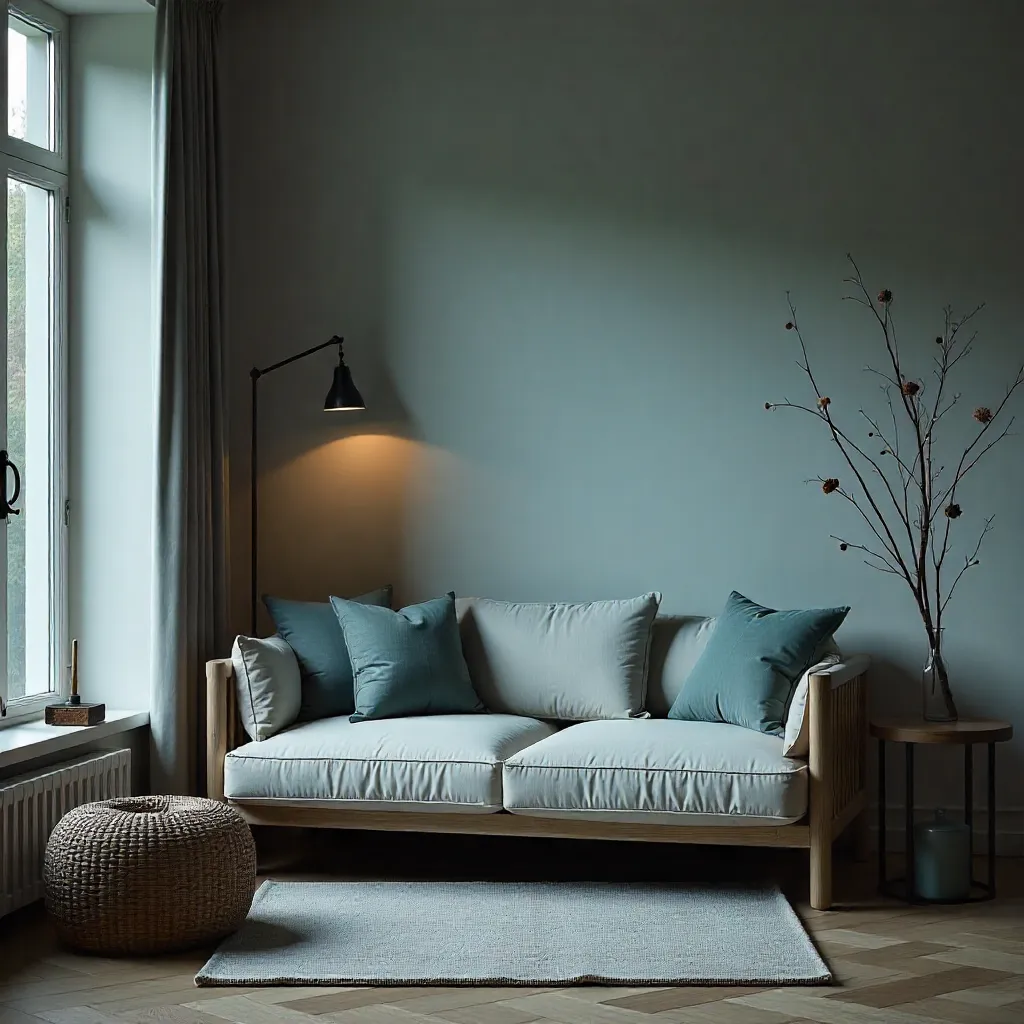
Natural rattan and wicker materials used in home decoration

Rattan & Wicker

Rattan brings a light, airy quality to any space while adding natural texture and visual interest. This sustainable material is perfect for furniture, baskets, and decorative accents.

Characteristics:

  • Lightweight and flexible
  • Naturally durable
  • Adds texture without heaviness
  • Works in both modern and traditional settings

Pairing Suggestions:

Combine rattan with linen textiles, ceramic accents, and soft neutral colors. It pairs beautifully with natural wood and complements minimalist design aesthetics.

Eco-Friendly Benefits:

Rattan is a fast-growing, renewable resource that requires minimal processing. It's biodegradable and has a low environmental impact compared to synthetic materials.

Organic Linen

Linen is one of the most sustainable natural fibers, offering breathability, durability, and a timeless aesthetic. Its natural texture adds depth and sophistication to any space.

Characteristics:

  • Highly breathable and moisture-wicking
  • Gets softer with each wash
  • Naturally antimicrobial
  • Durable and long-lasting

Pairing Suggestions:

Linen works beautifully with cotton, wool, and natural wood. Use it for bedding, curtains, and upholstery to create a relaxed, elegant atmosphere. Pair with muted earth tones and soft pastels.

Eco-Friendly Benefits:

Linen requires less water and pesticides than cotton. It's fully biodegradable and can be grown without harmful chemicals. Organic linen production supports sustainable farming practices.

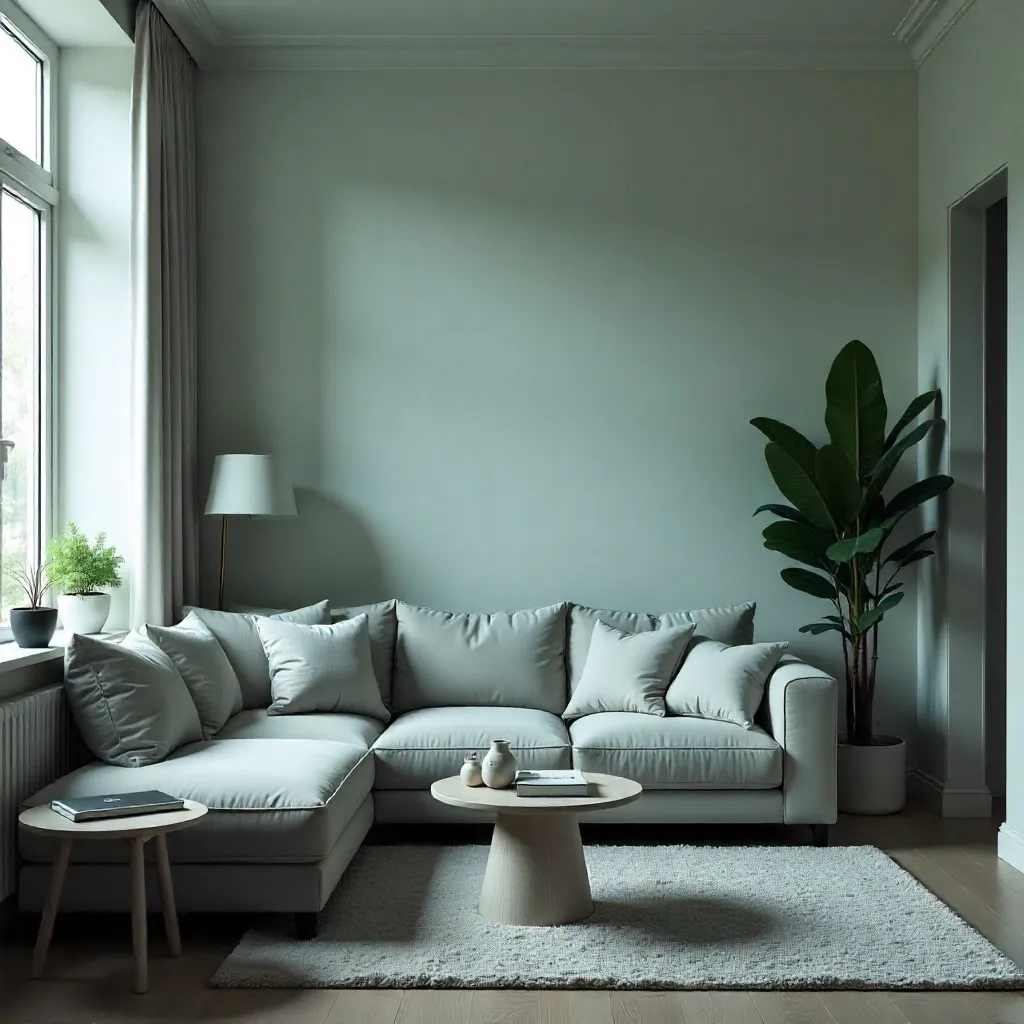
Linen textiles in a serene living space
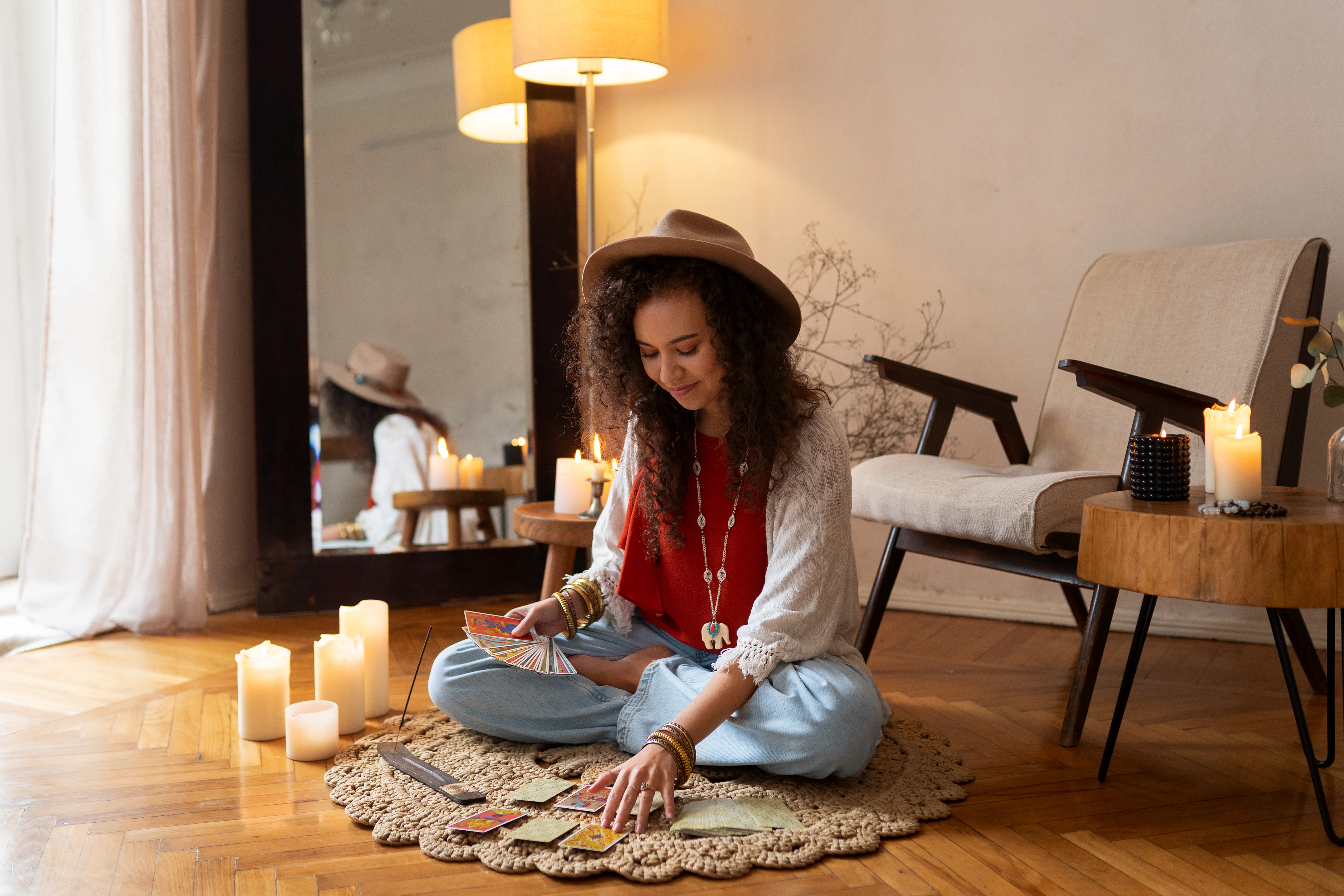
Clay and ceramic materials in home decor

Clay & Ceramic

Clay and ceramic materials bring an earthy, grounded quality to your space. These handcrafted elements add warmth and human touch to modern interiors.

Characteristics:

  • Natural, earthy texture
  • Unique variations in each piece
  • Excellent for functional decor
  • Timeless and versatile

Pairing Suggestions:

Clay works beautifully with natural wood, stone, and woven materials. Use terracotta pots, ceramic vases, and clay tiles to add organic texture. Pair with warm earth tones and natural greens.

Eco-Friendly Benefits:

Clay is a natural, abundant material that requires minimal processing. Ceramic pieces are durable and long-lasting, reducing the need for replacements. Many artisans use sustainable, locally-sourced clay.

Bamboo

Bamboo is one of the fastest-growing plants on Earth, making it an incredibly sustainable material choice. Its natural beauty and strength make it ideal for furniture, flooring, and decorative items.

Characteristics:

  • Extremely strong and durable
  • Lightweight yet sturdy
  • Natural antimicrobial properties
  • Versatile in application

Pairing Suggestions:

Bamboo complements other natural materials like jute, cotton, and stone. Use it for furniture, storage solutions, and decorative accents. It works well with both modern and rustic design styles.

Eco-Friendly Benefits:

Bamboo grows rapidly without pesticides or fertilizers. It produces more oxygen than trees and helps prevent soil erosion. When harvested sustainably, bamboo is a renewable resource that regenerates quickly.

Bamboo materials in home design

Material Pairing Guide

Texture Layering

Combine smooth ceramics with rough-hewn wood, soft linen with structured rattan. Layering different textures creates visual interest and depth while maintaining a cohesive natural aesthetic.

Color Harmony

Natural materials work best with earth-inspired color palettes. Pair warm terracotta with cool sage green, or combine natural wood tones with soft beige and cream textiles.

Balance & Contrast

Balance heavy materials like stone with light ones like rattan. Create contrast between matte finishes and natural sheens to add dimension without overwhelming the space.

Why Choose Natural Materials

Environmental Impact

Natural materials are biodegradable and come from renewable sources. They require less energy to produce than synthetic alternatives and don't release harmful chemicals into your home environment.

By choosing natural materials, you're supporting sustainable practices and reducing your carbon footprint. Many natural materials can be sourced locally, further reducing transportation impact.

Health Benefits

Natural materials don't off-gas harmful VOCs (volatile organic compounds) like many synthetic materials do. They contribute to better indoor air quality and create a healthier living environment.

Materials like wool and linen have natural properties that regulate temperature and moisture, creating a more comfortable living space that supports your well-being.

Caring for Natural Materials

Linen Care

Wash linen in cool water with mild detergent. Air dry or tumble dry on low heat. Linen naturally wrinkles, which adds to its character. Iron while slightly damp for best results.

Rattan Maintenance

Dust regularly with a soft cloth or vacuum with a brush attachment. For deeper cleaning, use a damp cloth with mild soap. Avoid excessive moisture and direct sunlight to prevent fading.

Clay & Ceramic Care

Clean with warm water and mild soap. Avoid harsh chemicals that can damage glazes. Most ceramic pieces are dishwasher safe, but hand-washing preserves finishes longer.

Bamboo Maintenance

Clean bamboo with a damp cloth and mild cleaner. Apply natural oil occasionally to maintain its luster. Protect from excessive moisture and direct sunlight to prevent cracking.