
Room Transformation Guide

Transform your living spaces step-by-step with our comprehensive guides for bedrooms, living rooms, and kitchens. Create calming environments that support your well-being.

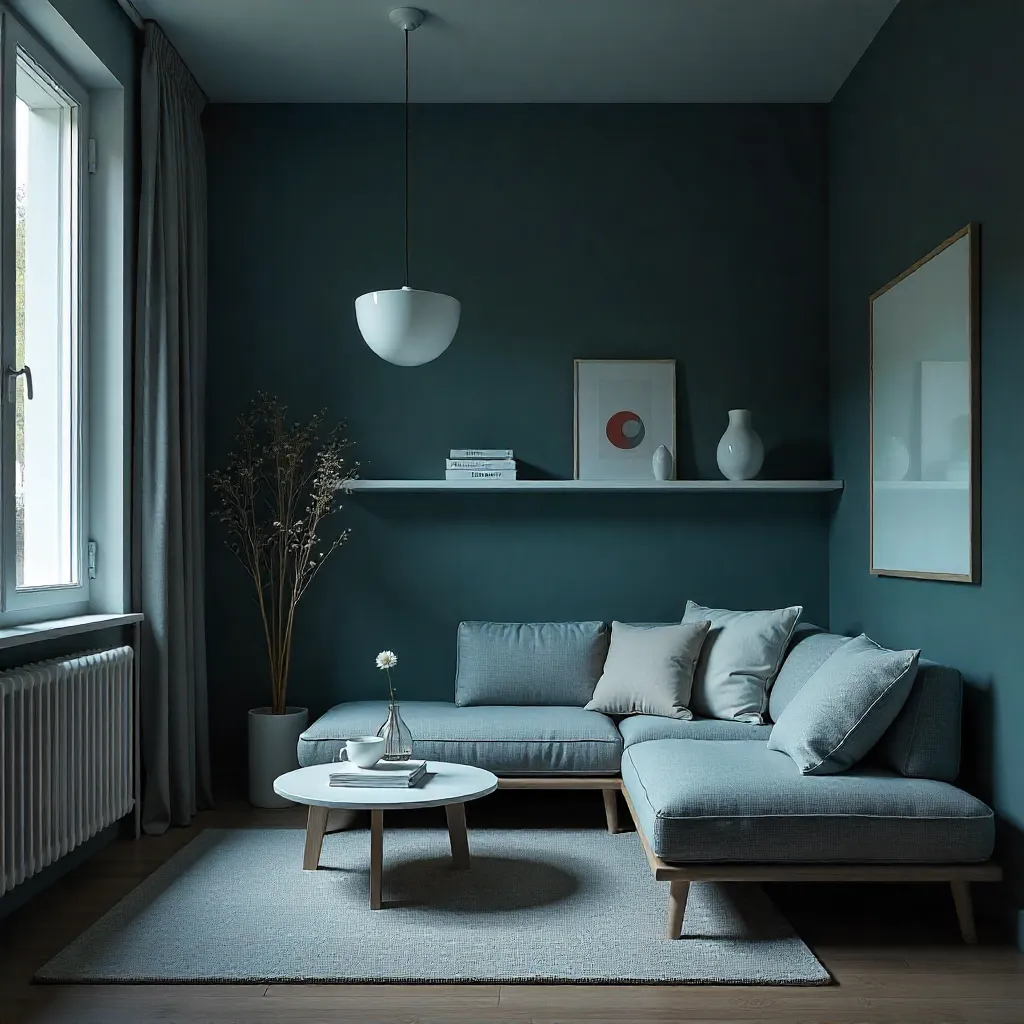
Small apartment transformed into multifunctional living space

Bedroom Transformation

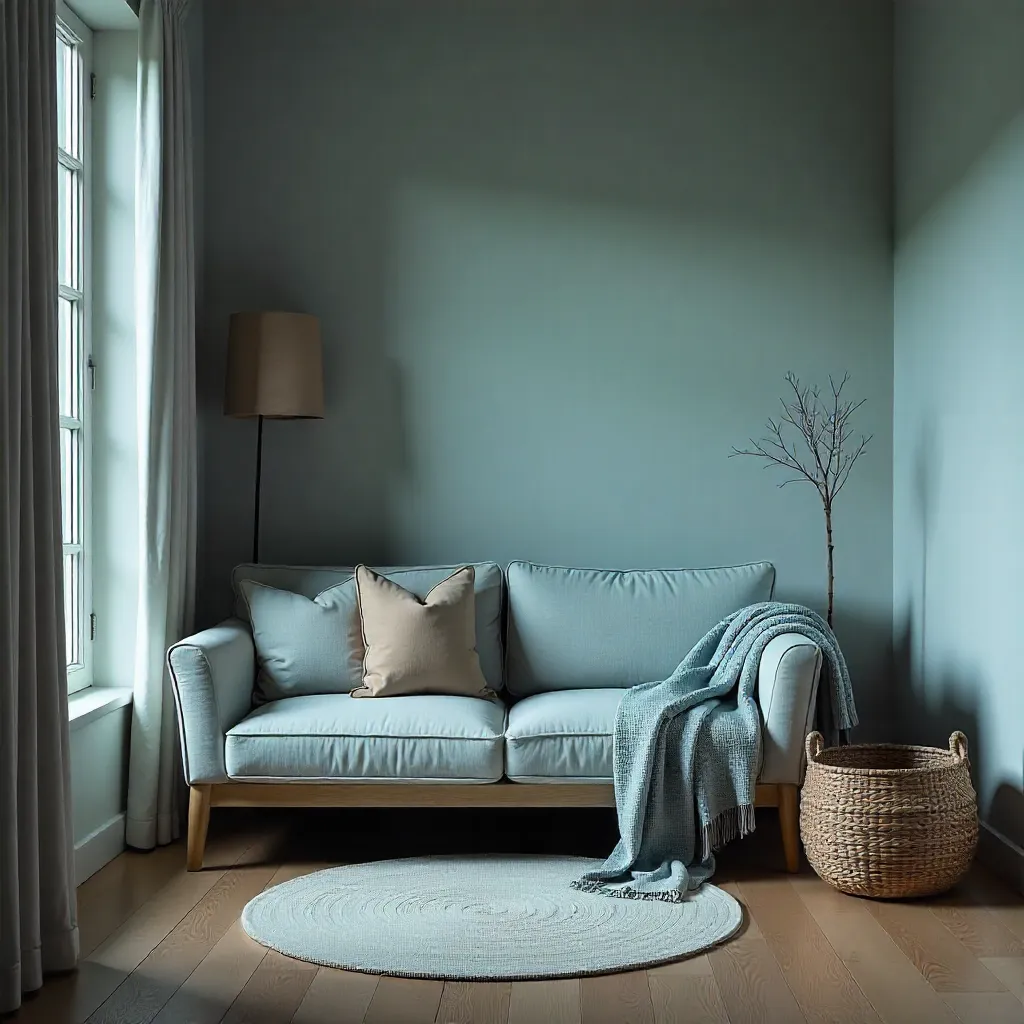
Serene bedroom space with calming decor

Step 1: Declutter and Simplify

Begin by removing items that don't serve a purpose in your bedroom. Keep only what you need for sleep, relaxation, and getting dressed. Clear surfaces create visual calm and reduce mental clutter.

Step 2: Choose Calming Colors

Select a palette of soft neutrals, muted blues, or gentle greens. These colors promote relaxation and signal to your brain that it's time to rest. Avoid bright, stimulating colors in the bedroom.

Step 3: Optimize Lighting

Layer lighting with dimmable options. Use warm, soft light in the evening and maximize natural light during the day. Consider blackout curtains for quality sleep.

Step 4: Add Natural Textures

Incorporate organic materials like linen bedding, wool throws, and wooden furniture. These textures create a sense of comfort and connection to nature.

Living Room Transformation

Step 1: Define Zones

Create distinct areas for different activities: conversation, relaxation, and entertainment. Use furniture placement and rugs to define these zones without walls.

Step 2: Create Flow

Arrange furniture to encourage easy movement and conversation. Leave breathing room between pieces and avoid blocking natural pathways.

Step 3: Layer Comfort

Add soft textiles, cushions, and throws that invite relaxation. Mix textures and weights for visual interest and comfort.

Step 4: Personal Touches

Display meaningful items that bring joy, but keep them curated. Too many personal items can create visual noise.

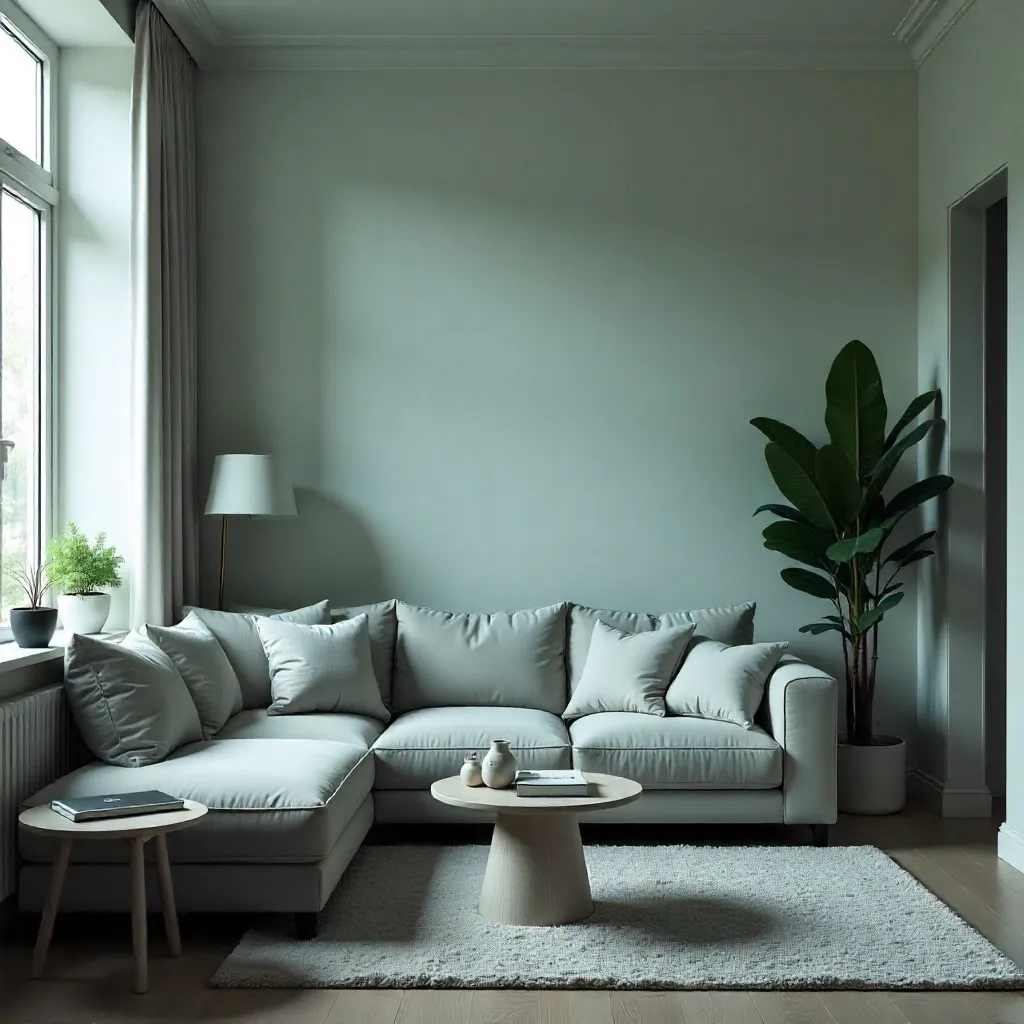
Cozy living room with neutral palette and minimal clutter

Kitchen Transformation

Open plan kitchen with warm earthy tones

Step 1: Organize and Streamline

Keep countertops clear of unnecessary items. Store frequently used items within easy reach, and remove items you rarely use. A clean kitchen reduces stress and makes cooking more enjoyable.

Step 2: Natural Materials

Choose wooden cutting boards, ceramic containers, and natural fiber storage. These materials add warmth and create a connection to the food preparation process.

Step 3: Functional Beauty

Select items that are both beautiful and functional. Display attractive cookware and utensils that you use regularly, turning necessities into decor.

Step 4: Calming Colors

Use soft, warm colors that create a welcoming atmosphere. Avoid harsh, bright colors that can feel overwhelming in a space where you spend significant time.

Transformation Gallery

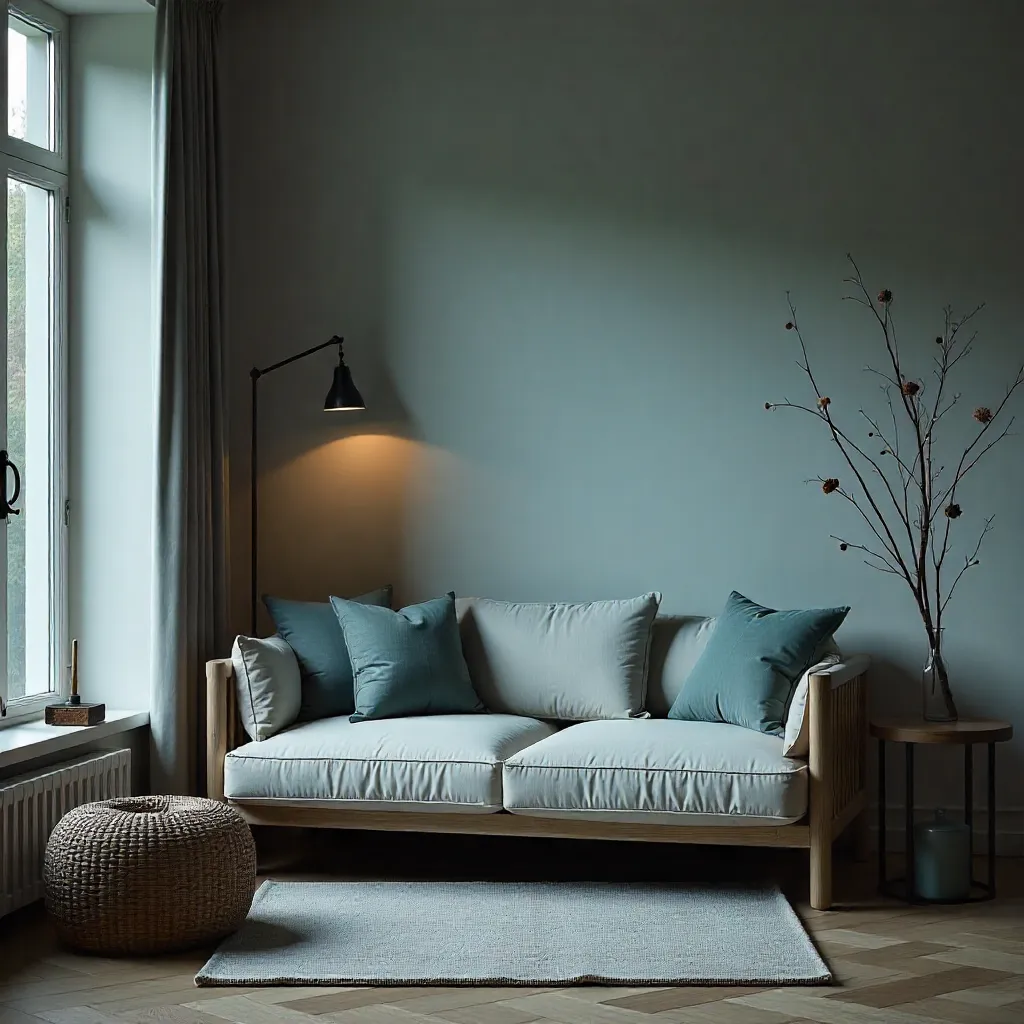
See how mindful design principles transform spaces from cluttered to calm, from chaotic to serene.

Recommended Calming Materials

Textiles

  • Organic linen for bedding and curtains
  • Wool throws and blankets
  • Cotton and bamboo fabrics
  • Natural fiber rugs

Furniture

  • Solid wood pieces
  • Rattan and wicker accents
  • Natural stone surfaces
  • Ceramic and clay decor

Finishes

  • Matte paint finishes
  • Natural wood stains
  • Textured wall treatments
  • Earthy tile options

Printable Design Checklist

Room Transformation Checklist

Planning Phase:

  • Assess current space and identify stress points
  • Define the room's primary purpose
  • Create a mood board with colors and materials
  • Set a realistic budget and timeline

Preparation Phase:

  • Declutter and remove unnecessary items
  • Deep clean the space
  • Repair any damage or issues
  • Measure and plan furniture placement

Transformation Phase:

  • Apply calming color palette
  • Install appropriate lighting
  • Add natural materials and textures
  • Arrange furniture for flow and function
  • Incorporate personal touches mindfully

Final Touches:

  • Add plants for biophilic connection
  • Organize storage solutions
  • Test the space for comfort and function
  • Make final adjustments as needed